
Built-In Beauty: Quiet Craftsmanship for Clutter-Free Living

Design Intent: Calm Lines, Honest Materials

Storage Mapping That Matches Habits
Hidden Access and Everyday Ease
Craft Details: Joints, Edges, and Finishes
Seamless Openings without Heavy Hardware
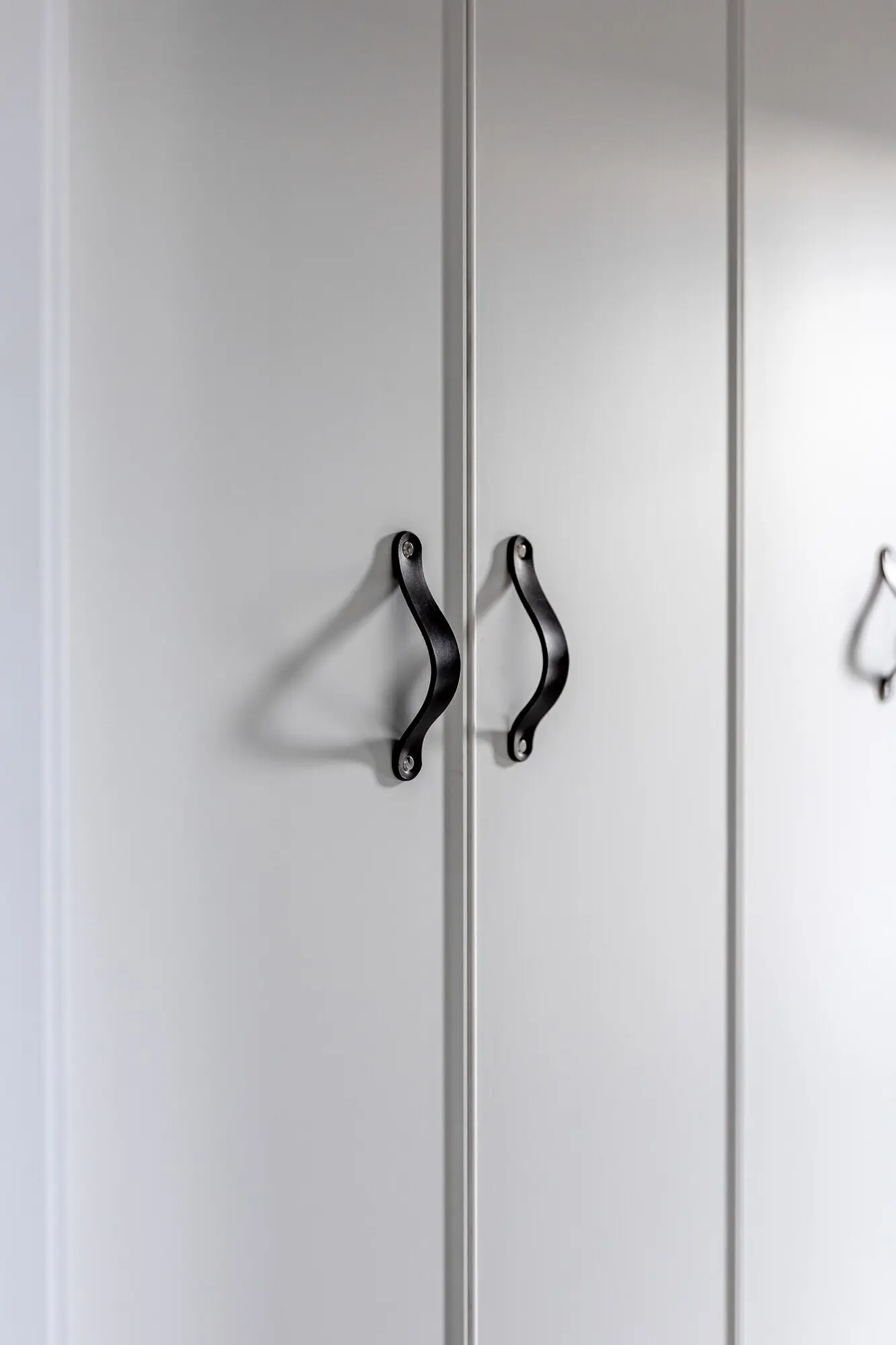
Opt for routed finger pulls, knife-edge top rails, or recessed pocket grips that keep faces clean while staying comfortable. Where hardware is essential, choose slender profiles in finishes that echo other metals in the room. Every decision reduces visual friction and preserves quiet surfaces.
Durable Finishes with Gentle Sheen
Aim for matte or satin sheens that diffuse light and hide fingerprints. Two-part waterborne poly or hardwax oil can protect while keeping grain legible. Test samples under daylight and artificial light. The right finish maintains serenity and invites touch day after day.
Acoustic and Tactile Comfort
Soft-close mechanisms, felt pads, and underlayment reduce clicks and rattles that read as clutter to the ear. Chamfered edges soften grip. With every touch and sound considered, millwork dissolves into the background, supporting concentration, conversation, and restful evenings without constant sensory spikes.
Layered Lighting That Respects Silence
Color Temperature and Material Truth
Daylight, Privacy, and Built-In Frames
A Tiny Entry Finds Breathing Room
A Family Kitchen Learns to Exhale
A Studio Wall That Works Overtime
Care, Upkeep, and Sustainable Choices
Materials That Age with Grace
Choose finishes you can refresh, not replace. Solid edges resist chips better than thin tape. Oiled woods invite periodic care that becomes a restorative ritual. When patina reads as character, households relax, and clutter hunting gives way to quiet appreciation of time.
Cleaning Rituals That Preserve Calm
Design wipe-friendly corners, lifted plinths, and removable trays to make maintenance swift. Keep microfiber cloths and gentle soap where they are needed. Habit stacks with design, preventing buildup, and restores that satisfying feeling when countertops reflect light and nothing competes for attention.
Repair, Upgrade, and End-of-Life Plans
Specify replaceable components, accessible fasteners, and standardized hardware to support future changes. Provide a simple packet listing finishes, codes, and sources. When updates arrive, the process is orderly, waste is reduced, and spaces remain calm through transitions rather than disrupted by them.