
Quiet Luxury, Honest Materials
Join us as we explore timeless natural materials and finishes for an understated high-end look, focusing on stone, wood, metal, mineral paints, and textiles that age gracefully. You’ll discover how restrained palettes, matte surfaces, and authentic craftsmanship deliver richness through touch, proportion, and light—never flash. Expect practical guidance, gentle stories from real homes, and thoughtful ideas you can apply today without chasing trends.
Stone That Ages Beautifully
Stone anchors rooms with quiet permanence, especially when finished honed rather than glossy. Marble, limestone, travertine, and soapstone invite the hand, catching light softly while resisting short-lived fashion. Subtle veining becomes a living artwork as years pass. I remember a hallway where unfilled travertine warmed each step; minor variations felt like history underfoot. Choose slabs thoughtfully, consider edge profiles, and let natural irregularities speak with confidence, restraint, and lasting dignity.
Honed vs. Polished
A honed surface scatters reflections, inviting calm and hiding micro-scratches, while polished stone announces every fingerprint and specular highlight. In kitchens, honed marble or granite feels forgiving, practical, and timeless. Reserve polished accents for small moments where contrast matters, like a niche, fireplace surround detail, or sculptural object that catches late afternoon light.
Travertine and Limestone
These cousins favor warm, grounded tones and gentle porosity that softens acoustics and mood. Filled or unfilled travertine shifts character; both pair beautifully with limewash and brass. Limestone floors, sealed with breathable products, develop graceful wear patterns that feel collected rather than damaged. Specify larger formats thoughtfully to balance movement, grout lines, and visual serenity across daylight changes.
Wood with Soul and Restraint
Natural wood tempers hard surfaces, adding human warmth without shouting. Rift- and quarter-sawn oak, ash, and walnut offer stable grain, quiet figure, and structural integrity suited to fine joinery. Choosing matte oil or hardwax finishes honors fibers while resisting yellowing. I recall a walnut stair whose soft sheen guided evening footsteps, proving subtle luster can feel luxuriously calm rather than boastful.

Metals in a Murmured Glow
Unlacquered brass, bronze, brushed nickel, and blackened steel supply quiet contrast against stone and wood, reflecting light as a whisper rather than a shout. Choose finishes that welcome fingerprints and oxidation; the marks become your story. Limit chrome. Consider hand-finished edges, slender profiles, and recessed details that hide complexity while delivering lasting substance you can feel every time you reach.
Living Finishes
Allow brass and bronze to breathe. Skip thick lacquers; use microcrystalline wax sparingly to slow aging without freezing character. Water spots polish out with patience. The evolving surface pairs beautifully with linen, oak, and limewash, creating harmony through contrast. Over time, corners soften, grip improves, and even small pulls register as satisfying, tactile punctuation to daily routines.
Brushed and Burnished
Brushed textures diffuse glare and hide tiny abrasions that would scream on mirror-polished pieces. Burnishing edges by hand yields a human softness that reads expensive without sparkle. Pair with honed stone to reinforce coherence. If you crave highlight, add one small polished detail near a window, letting natural daylight animate the metal only when the sun passes.
Hardware that Disappears
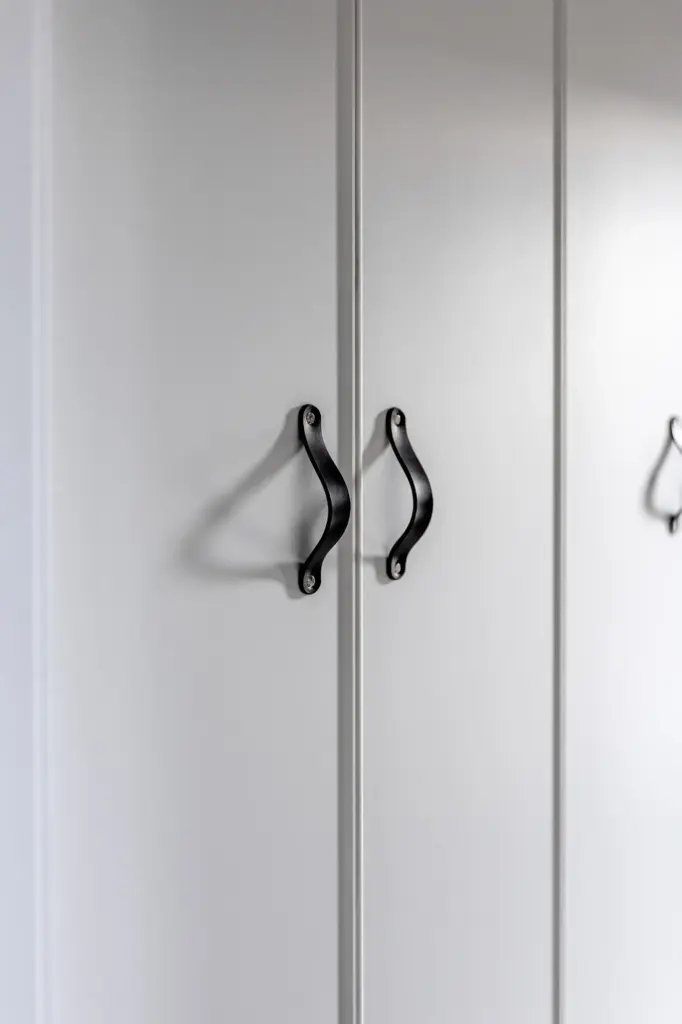
When lines are resolved, hardware should whisper. Recessed pulls, minimal backplates, and darkened finishes recede, allowing proportion and joinery to lead. Test the feel with your eyes closed; comfort matters more than visuals. Consistency across rooms simplifies decisions, reduces visual noise, and creates the kind of ease associated with genuinely considered, quietly luxurious environments that never fatigue.
Mineral Paints and Quiet Plaster
Limewash, clay, and mineral plasters diffuse light with a softness paint alone rarely achieves. These surfaces absorb and reflect daylight differently through morning and evening, adding depth without pattern. Applied thinly over appropriate primers, they remain vapor-permeable and durable. I’ve watched a north wall glow like fog at dawn, its texture subtly guiding furniture placement and material choices.
Limewash Basics
Start with mineral-rich substrate and breathable primer. Layer thin coats, crossing strokes to avoid obvious directional marks. Expect variation—that is the beauty. Pigments pulled from earth tones—chalk, clay, umber—create sophisticated neutrality. Lime reacts with carbon dioxide, strengthening over time. The resulting walls seem to float, supporting artwork, textiles, and stone with an atmospheric dignity that never feels staged.
Venetian and Marmorino
For wet rooms or refined moments, consider Venetian plaster or Marmorino, burnished tight for a subtle sheen that resists moisture without plasticity. The handwork imparts micro-variations that catch candlelight exquisitely. Keep color restrained. Pair with unlacquered fittings and honed thresholds to avoid competition. The finish becomes a hushed backdrop for rituals, conversation, and restorative daily routines.
Clay and Earth Pigments
Clay plasters regulate humidity and temper echo, encouraging deep breaths and longer conversations. Earth pigments provide complex neutrals that shift from warm to cool across daylight. Samples on multiple walls reveal surprises. Protect kitchen zones with micro-mesh glazing or simply lean into patina. The tactile presence invites touch, teaching guests to slow down and notice small joys.
Textiles and Understated Comfort
Linen, wool, hemp, and cotton blends soften edges and quiet reflections, making rooms feel finished without fanfare. Favor chunky weaves, washed finishes, and layered weights instead of loud patterns. Neutral doesn’t mean flat; think bark, stone, cloud. Window coverings should filter, not block, allowing privacy while preserving daylight. Durable, natural fibers invite use, naps, and long conversations over tea.
Natural Fibers, Natural Ease
Choose Belgian linen with visible slubs, wool bouclé for warmth, and sturdy hemp for hardworking upholstery. These materials breathe, manage humidity, and take dye beautifully. Prewash swatches and live with them for a week. Notice how evening lamplight grazes texture. The goal is comfort that photographs beautifully yet feels even better in real life, day after day.

Neutral Palettes with Depth
Layer oatmeal, flint, mushroom, bone, and soft charcoal rather than defaulting to stark white and jet black. Introduce small fluctuations—slightly cooler sheers, warmer upholstery, and mid-tone rugs—to avoid a flat read. Repetition creates calm; contrast should be gentle. Let materials lead palette decisions, ensuring continuity between floors, walls, and textiles that supports serenity without sacrificing personality.
Styling, Maintenance, and Daily Rituals
Understated luxury thrives in routines: opening curtains early, wiping stone with a damp cloth, buffing wood oil while music plays. Choose fewer, better objects—bowls in soapstone, a bronze tray, linen lampshades. Let surfaces breathe between moments. Share your progress with us; ask questions, compare finishes, and subscribe for practical checklists that support calm, enduring spaces shaped by real life.