
Elegance, Uninterrupted: Invisible Intelligence at Home
Design First, Technology Silent
Concealed Interfaces
Controls can be present without being seen. Think flush keypads with custom engraving, capacitive touch surfaces hidden in wood panels, or subtle, backlit buttons that disappear when idle. In high-traffic areas, consolidate functions into a single elegant control, reducing visual noise while improving usability. For art walls, keep surfaces uninterrupted and tuck controls around corners or within door returns. The experience feels luxurious not because of complexity, but because everything necessary is intuitively close and visually restrained.
Material-Matched Hardware
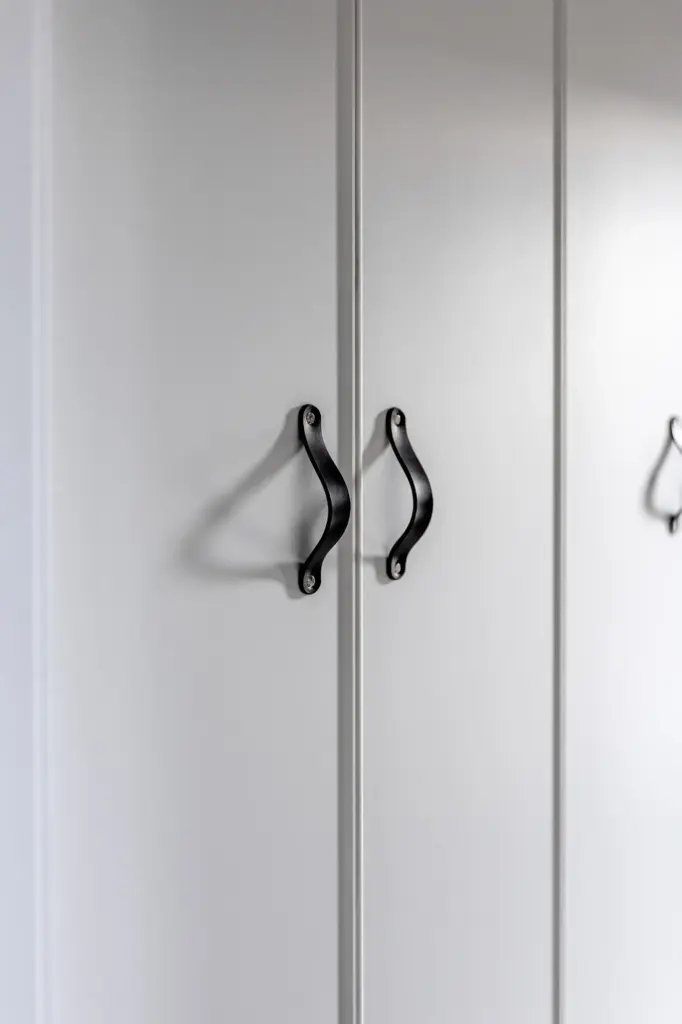
Finishes matter. Keypads in bronze or brushed nickel, paintable speaker grilles, plaster-in light fixtures, and stone-matched access plates maintain continuity so nothing looks accidental. Magnetic trim kits allow service without visible screws. Even sensors can be color-matched to millwork or plaster tones, preventing distracting specks on pristine surfaces. By aligning technology with chosen materials, you preserve the designer’s palette and avoid aftermarket compromises. These small, deliberate choices are what make a space feel exceptionally considered, cohesive, and timeless.


Lighting That Paints, Not Shouts

Audio That Disappears Yet Envelops

Pocket Planning
Whisper-Quiet Motion

Climate Intelligence
Security That Respects Privacy
{{SECTION_SUBTITLE}}
Low-Profile Surveillance

Entry Elegance
Systems Architecture for Longevity
Stories from Quietly Brilliant Homes